

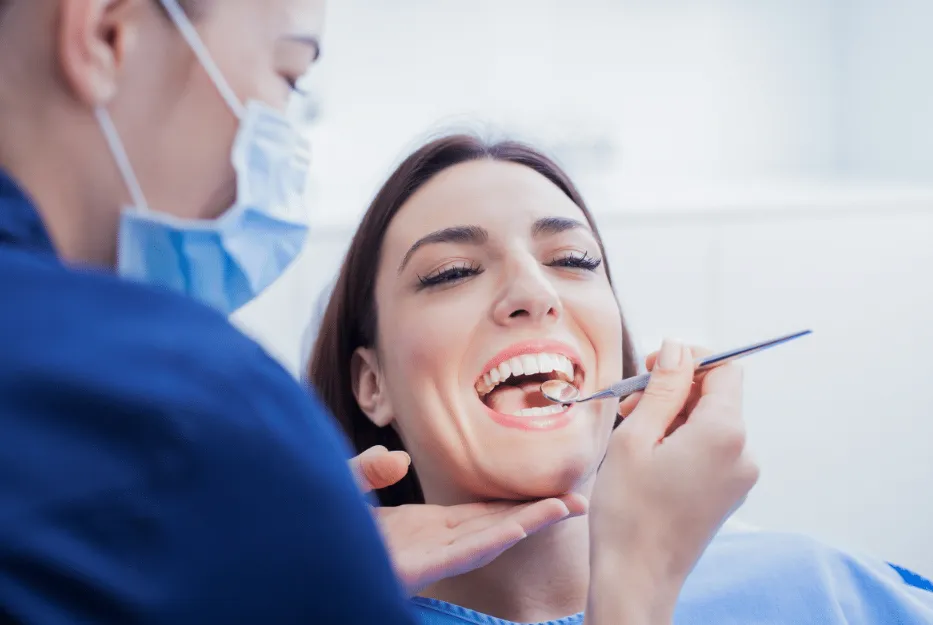
You might be feeling a little discouraged every time you catch your reflection. Maybe it started with one chipped tooth, or a stubborn stain that will not lift no matter how carefully you brush. Maybe you even had a dental emergency in Whittier that left you feeling self‑conscious about your teeth. Now you find yourself smiling with your lips closed in photos, or covering your mouth when you laugh. You do not want braces or surgery or a long, complicated treatment. You just want your smile to look fresher and more “you” again.end
If that sounds familiar, you are not alone. Many people want a gentler approach. The good news is that there are several ways to refresh your smile quickly and with minimal dental work. In simple terms, you can often get a brighter, more balanced look through small, targeted changes rather than a full cosmetic makeover.
So where does that leave you right now. You may be weighing the cost, the time, and the fear of “going too far” and ending up with a smile that looks fake. This is where working with a general and cosmetic dentist who understands your goals can make all the difference. The focus is on subtle changes that still feel like you, just more confident.
Why does a “small” smile issue feel so big some days
On paper, a tiny chip or a slightly crooked tooth might seem minor. In real life, it can feel huge. You might find yourself turning down video calls, avoiding close-up photos, or overthinking every social interaction. You know it is “just a tooth,” yet it affects how you show up at work, on dates, or even at family gatherings.
The emotional side is real. When you do not feel at peace with your smile, you may smile less. People might even think you are distant or unhappy, when the truth is you are just self-conscious. Because of this tension, you might wonder whether there is any middle ground between doing nothing and signing up for months of major treatment.
There is. A skilled cosmetic dentist often starts with the lightest touch that will give you a visible change. Think of it as a “refresh” rather than a renovation. Instead of changing everything, you focus on the few details that draw your eye in the mirror. That is where three quick options usually come in.
What are three quick fixes that can refresh a smile without major work
When people ask about quick smile upgrades, they are usually trying to solve one of three problems. Color, shape, or small gaps and chips. Here are three popular options a general and cosmetic dentist may suggest.
1. Professional whitening for stubborn stains
If your main concern is color, whitening is often the fastest and least invasive approach. Professional whitening can lift stains from coffee, tea, red wine, and normal aging far more effectively than most over the counter strips. In many cases, you can see a noticeable change in one or two visits, or over a couple of weeks with custom trays at home.
Whitening is usually a good first step, even if you are considering other treatments. A brighter base shade makes minor chips or uneven edges less noticeable, and if you later add bonding or veneers, they can be matched to your new color.
2. Cosmetic bonding to repair chips and small gaps
Cosmetic bonding uses tooth colored resin to reshape a tooth. Your dentist applies the material, gently sculpts it, then hardens it with a special light. It can cover a chip, smooth a rough edge, close a small gap, or make a short tooth look more even with its neighbors.
Bonding usually does not require removing much natural tooth. Many people do not even need numbing, depending on the situation. That is why it is often chosen as a conservative way to refresh a smile without major dental work. It can be completed in a single visit, which is appealing if you have an event coming up or you are simply tired of waiting to feel better about your smile.
3. Minimal or traditional veneers for a targeted upgrade
When you want a more noticeable change in shape, color, and alignment, veneers can be a powerful tool. A veneer is a thin shell that covers the front of the tooth. It can hide deep stains that do not respond to whitening, correct the appearance of slightly crooked teeth, and create a more uniform shape.
Veneers are not always “major work,” especially when used sparingly. Some people only veneer two or four front teeth that bother them the most, while leaving the rest of their smile natural. Modern options can be very thin, which means less enamel removal than older styles required.
If you are curious about how veneers work and what to expect, you can review this overview from the American Dental Association on porcelain veneers and their uses. This can help you arrive at your consultation with better questions and clearer expectations.
Should you try DIY fixes or see a cosmetic dentist instead
Because quick fixes are so tempting, many people wonder if they can handle things on their own with online kits or “life hacks.” It is understandable. DIY promises speed and privacy. Yet the mouth is a delicate, complex place. Small mistakes can create long term problems.
To make the choice clearer, here is a simple comparison of common goals and what usually works better at home versus with a professional.
| Goal | Typical DIY Option | Professional Option | Key Consideration |
|---|---|---|---|
| Whiten yellow teeth | Whitening strips or generic trays | Custom trays or in office whitening | Professional care can adjust strength to protect enamel and reduce sensitivity. |
| Fix a chipped tooth | Online “tooth filling” kits | Cosmetic bonding or veneer | DIY materials often do not bond well and can trap bacteria. |
| Close a small gap | Rubber bands or unapproved devices | Bonding, veneers, or orthodontics | Unsupervised movement can loosen or even lose teeth. |
| Straighten slightly crooked teeth | Mail order aligners without exams | Aligners or braces monitored by a dentist | X rays and exams check bone and roots before movement. |
If you are considering any home treatment, it is worth reading the ADA’s warning on risks of DIY dentistry and “home fixes”. Many quick online solutions ignore underlying problems like cavities or gum disease, which can turn a cosmetic issue into a health problem.
Three simple steps to move from worry to action
You do not have to map out your entire treatment plan today. You just need to take the next right step. Here are three that can help you move forward with clarity.
1. Define what actually bothers you
Stand in front of a mirror in good light. Smile naturally, then more widely. Ask yourself what you notice first. Color. Shape. A chip. A gap. Uneven length. Write down the top two or three things that you would change if you could. This keeps your focus on a realistic smile refresh instead of feeling overwhelmed by every tiny flaw.
2. Schedule a low pressure cosmetic consult
Find a general and cosmetic dentist who offers cosmetic consultations. Bring your list and be honest about your budget, your timeline, and your fears. A good dentist will examine your teeth and gums, explain what is safe and realistic, and often suggest a step by step approach. Many start with the least invasive option, such as whitening or bonding, before considering veneers.
3. Start with one small change, not a full makeover
Instead of committing to a large treatment plan all at once, consider starting with a single quick fix. For example, whiten first, or repair the one chipped tooth that draws your eye every time. That small success can ease your anxiety and show you how much difference a targeted cosmetic dental treatment can make. You can always add more later if you choose.
Moving toward a smile that finally feels like you again
You do not need a completely new smile to feel different. Sometimes it just takes a brighter shade, a smoother edge, or closing a tiny gap that has bothered you for years. With the right general and cosmetic dentist, you can explore options that respect your time, your budget, and your natural look.
You deserve to smile without thinking twice. The next step is simple. Reach out to a trusted dentist, share what is bothering you, and ask which quick fixes might fit your situation. Even one small change can shift how you see yourself in the mirror, and how you show up in the rest of your life.

Emma Brooke is a passionate language enthusiast and expert at Grammar Apex, dedicated to helping writers, students, and professionals refine their grammar and writing skills. With a keen eye for detail and a love for linguistic precision, Emma provides insightful tips, clear explanations, and practical guidance to make complex grammar rules easy to understand.