

You might be here because you are tired of avoiding certain foods, hiding your smile in photos, or worrying that your teeth are starting to shift after losing one. Maybe your dentist mentioned a bridge or an implant, and now you are staring at search results for an oral surgeon in Tempe AZ, trying to make sense of what is best for your mouth and your budget.end
That mix of concern and confusion is very normal. Tooth loss is not just a “cosmetic issue.” It affects how you eat, how you speak, and how you feel in social situations. You want something that looks natural and lasts, but you also want to avoid more problems down the road.
In simple terms, here is the heart of it. A traditional dental bridge replaces a missing tooth by anchoring an artificial tooth to the teeth on each side. A dental implant replaces the missing tooth root itself and then supports a crown. The short summary is this. Dental implants often protect your remaining teeth better, preserve bone, and can offer more comfort and longevity than bridges. That said, each option has its place, and understanding the differences will help you feel more in control of your decision.
So, where does that leave you as you choose between implant tooth replacement vs traditional bridgework for your smile and your daily life.
Why does this decision feel so stressful in the first place?
Think about how this began. Maybe a tooth cracked and could not be saved, or you lost one years ago and finally reached the point where the gap bothers you every time you look in the mirror. Someone mentions a bridge. Someone else mentions an implant. The prices are different. The procedures are different. The long term effects are not clear.
The first problem is uncertainty. You might wonder if you will regret the choice in five or ten years. You might worry that choosing the “cheaper” option now could cost more later if other teeth are affected.
The second problem is emotional. A missing tooth can quietly drain your confidence. You might avoid certain social events, smile with your lips closed, or hesitate to eat in front of others. That constant background worry is exhausting.
The third problem is practical. Time off work, cost, the number of appointments, and fear of surgery all play a part. You might think, “I just want something simple that works. Why does this feel so complicated.”
Because of this tension, you might feel stuck between doing nothing and making a rushed decision. This is exactly where understanding the real differences between dental implants and bridges can start to ease your mind.
How do dental implants and bridges actually differ in your mouth?
With a traditional bridge, the teeth on either side of the gap are prepared by removing some of their enamel. Those teeth become supports for the bridge that holds the replacement tooth in place. It is often quicker and can cost less upfront. However, it depends on the strength and health of the neighboring teeth, and it does not address what is happening beneath the gums where the root once was.
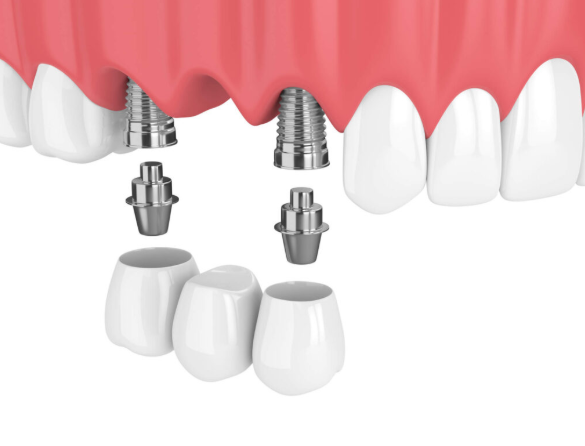
A dental implant is different. An implant is a small titanium post placed into the jawbone where the root used to be. Over time, the bone grows around the implant and holds it firmly. A crown is then attached on top. This approach replaces the missing root, not just the visible tooth. If you want a simple, visual explanation of the process, the American Academy of Periodontology has a helpful overview of single tooth dental implants.
So why do many oral surgeons and implant dentists gently guide patients toward implants when possible. Four key benefits tend to stand out.
1. How do implants protect the teeth you still have?
With a bridge, your dentist must shape the healthy teeth on either side of the gap. That means removing some enamel and placing crowns on those teeth. For many people, this works well, yet it is important to remember that those teeth are now doing extra work as anchors. Over time, they may be more prone to wear, decay at the margins, or even fracture.
With a dental implant, the replacement tooth stands on its own. The neighboring teeth are not touched. They do not need to be reshaped or crowned just to support the missing one. This is one of the quiet but powerful advantages of dental implant treatment. It respects the natural teeth you still have.
If you think about your mouth as a team, a bridge asks two players to work harder to cover for the missing one. An implant brings in a new player, so everyone carries their own weight.
2. What happens to your jawbone over time?
This is a piece that often gets overlooked. When a tooth is lost, the bone that used to hold the root no longer receives the same signals from chewing. Over time, that bone can shrink. This slow bone loss can change the shape of your jawline and can make future treatment more complicated.
A dental implant replaces the root and connects with the bone. When you chew, the implant helps transmit gentle forces into the bone, which can help maintain its volume. Research from centers such as the Harvard School of Dental Medicine highlights how dental implants support function and structure in ways that traditional bridges cannot, because bridges sit above the gums and do not interact with the bone in the same way.
This is not just about appearance. Preserving bone helps keep neighboring teeth more stable and can support better facial structure as you age.
3. How do comfort and daily life compare?
In day to day life, you want to forget you even had work done. Many patients report that an implant crown feels closer to a natural tooth when chewing and speaking. It is anchored in bone, so it often offers a more solid, natural feel.
Bridges can also feel comfortable, and many people live with them successfully for years. However, cleaning requires threading floss under the bridge, which can be tricky. If you are already struggling with flossing, this can add frustration and increase the risk of gum problems around the bridge.
Implants usually allow you to floss and clean around the crown much like a natural tooth. This can make daily care feel simpler, which often leads to better long term gum health.
4. What about longevity and long term cost?
Cost is often a major concern. A bridge may cost less upfront and can be completed more quickly. For someone who cannot or does not want to undergo a surgical procedure, a bridge can be a reasonable choice.
That said, bridges typically have a shorter lifespan than implants. Many bridges need to be replaced after 7 to 15 years, especially if the supporting teeth develop problems. An implant, once fully integrated and cared for properly, can last decades. The crown may eventually need replacement due to normal wear, yet the underlying implant often remains stable.
So while implants usually mean a larger initial investment, many people find that the long term value is higher, especially when you factor in the protection of surrounding teeth and bone.
How do dental implants compare to bridges at a glance?
It can help to see some of these points side by side so you can weigh what matters most to you.
| Factor | Dental Implants | Traditional Bridges |
| Effect on neighboring teeth | Leave neighboring teeth untouched | Require shaping and crowning neighboring teeth |
| Bone preservation | Helps maintain jawbone where tooth was lost | No direct effect on bone under the missing tooth |
| Cleaning and home care | Brush and floss similar to a natural tooth | Need special flossing under bridge, higher plaque risk |
| Typical lifespan | Can last decades with good care | Often 7–15 years before repair or replacement |
| Procedure | Surgical placement, healing time before crown | Non surgical, usually faster to complete |
| Upfront cost | Usually higher | Usually lower |
Seeing this comparison, you might notice that the question is not “Which option is better for everyone” but “Which benefits matter most for your health, your comfort, and your budget right now.”
What can you do right now to move toward the right choice?
Feeling stuck is draining. A few concrete steps can help you move from worry to a clear plan.
1. Ask for a detailed, side by side treatment plan
Ask your oral surgeon or implant dentist to outline both options for your specific tooth or teeth. Request written estimates that show not just the cost, but the number of visits, healing time, and what might happen if a supporting tooth fails in the future. When you see it in black and white, it is easier to compare.
2. Talk openly about your fears and your timeline
If you are afraid of surgery, say so. If you have a big life event coming up and need to plan around it, share that. A good provider can often adjust timing, offer sedation options, or suggest temporary solutions while an implant heals. The more they understand your real concerns, the better they can tailor the plan to you.
3. Think long term, not just about this year
Ask yourself some honest questions. How would you feel if a bridge needed to be replaced in 10 years. How important is it to protect your remaining teeth. Are you willing to invest more now for a solution that may last longer and preserve bone. There is no single right answer, only the answer that fits your health, your finances, and your peace of mind.
Finding a path forward that feels right to you
You do not have to become a dental expert to make a sound choice about tooth replacement with implants versus bridges. You only need clear information, a provider you trust, and a chance to weigh what matters most in your own life.
If you feel overwhelmed, that is understandable. You are making a decision that affects how you look, how you eat, and how you feel about yourself every day. Give yourself permission to ask more questions, to seek a second opinion if needed, and to choose the option that supports your long term health, not just the quickest fix.
The next step is simple. Schedule a consultation with an experienced oral surgeon and implant dentist, bring your questions, and use this understanding of the four key benefits of dental implants to guide a calm, honest conversation about what is best for you.

Emma Brooke is a passionate language enthusiast and expert at Grammar Apex, dedicated to helping writers, students, and professionals refine their grammar and writing skills. With a keen eye for detail and a love for linguistic precision, Emma provides insightful tips, clear explanations, and practical guidance to make complex grammar rules easy to understand.