

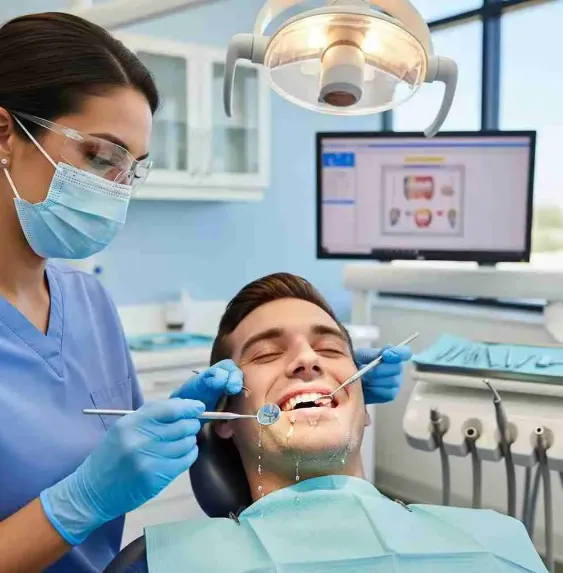
You might be feeling a little guilty every time you think about the dentist. Maybe you cancel cleanings when life gets busy, or you only call when something hurts. You tell yourself you will get back on track, yet months or even years go by. Then one day you notice your child is copying your habits, or an older parent is struggling with their teeth, and you start to wonder if you are missing something bigger. A visit to a dentist in Skokie, IL could be the first step toward changing those habits.end
That is the real weight of dental care. It is not just about a cavity here or there. It is about long term patterns that either protect your mouth or slowly wear it down. The good news is that general dentistry is designed to catch problems early and to build small, repeatable habits that work for every stage of life. You are not expected to know everything. You just need a simple plan and a team that helps you stick to it.
In short, preventive focused general and cosmetic dental care keeps everyday issues from turning into emergencies, teaches your family what to do at home, and adjusts your plan as you age so your teeth and gums stay as healthy as possible.
Why do everyday dental habits feel so hard to keep up?
You already know you are supposed to brush and floss. That is not the issue. The hard part is fitting consistent care into a life that is already full. Work runs late. Kids need rides. An older parent needs help. By the time you take a breath, your own health has slipped to the bottom of the list.
On top of that, there is often anxiety. Maybe you had a painful procedure in the past or felt judged about your teeth. So when a reminder pops up about your cleaning, a little voice says, “I will deal with it later.” That “later” can turn a small, fixable problem into a cracked tooth, gum disease, or even tooth loss.
So where does that leave you? Stuck between wanting healthy teeth and feeling overwhelmed by what it takes to get there. This is exactly where a strong relationship with a general dentist changes the story.
How does general dentistry quietly shape lifelong habits?
Think of preventive family dental care as a rhythm instead of a one time event. Every routine visit is a chance to reset, learn, and adapt.
For babies and young children, the focus is gentle introduction. The goal is not just to clean tiny teeth. It is to make the chair, the light, and the sounds feel normal. A good general dentist will show you how to clean your baby’s gums, when to start fluoride toothpaste, and how to handle thumb sucking or bottles at bedtime.
As kids grow, the conversation shifts. The dentist becomes a coach who talks about snack choices, sports mouthguards, and brushing on their own. Short, simple explanations during exams can prevent years of cavities. For example, explaining how sticky snacks sit in the grooves of molars can help a child actually understand why brushing matters, not just obey the rule.
Teenagers and adults have different pressures. There might be braces, whitening, bad breath worries, or the first signs of gum irritation. General and cosmetic dentistry work together here. Cleanings, sealants, and fillings protect function. Cosmetic options like bonding or whitening can improve confidence, which often motivates better daily care.
Later in life, the focus expands again. Medications, dry mouth, arthritis, and chronic conditions can all affect teeth and gums. A thoughtful general dentist will adjust your care plan, suggest tools that are easier to grip, and keep an eye on early signs of root decay or oral cancer. The habits may change, but the goal is the same. Protect what you have and make it as easy as possible to keep your mouth comfortable.
If you want a clear overview of what daily care should look like, the CDC’s page on oral health prevention breaks down simple, research based steps that work alongside regular dental visits.
What happens when you skip preventive visits and “wait for pain”?
It helps to be honest about the trade offs. Many people assume they are saving money or time by avoiding the dentist until something hurts. In reality, that approach often leads to more appointments, more stress, and higher costs.
Imagine two different paths. On the first, you go in twice a year. Small problems are treated early. Your dentist spots a tiny cavity and repairs it with a simple filling. On the second path, you skip visits because nothing hurts. That same cavity quietly grows. Months or years later, you wake up with a throbbing tooth, need an emergency visit, and end up needing a root canal or extraction.
The difference is not luck. It is prevention. Regular exams, cleanings, and X rays are designed to catch what you cannot see or feel yet. According to trusted sources like MedlinePlus dental health, early dental care often means less invasive treatment and better long term outcomes.
DIY care vs general dentistry support: what really changes?
You might wonder, “If I brush and floss well, do I really need a dentist?” Home care is essential, yet it has limits. A simple comparison helps clarify how general dental care strengthens what you do at home.
| Area | Home Care Only | Home Care + General Dentistry |
| Cleaning | Removes soft plaque and some food debris, especially on easy to reach surfaces. | Removes plaque and hardened tartar, especially below the gumline and between teeth. |
| Problem Detection | Relies on visible chips, stains, or pain to signal issues. | Uses exams and X rays to find cavities, cracks, and gum disease before they hurt. |
| Gum Health | Helps if brushing and flossing are consistent, but early gum disease is easy to miss. | Measures pocket depths, tracks bleeding, and creates a plan to reverse or control disease. |
| Education & Habits | Uses general advice from packaging or the internet. | Offers tailored guidance on brushing technique, tools, and diet based on your mouth. |
| Cosmetic Concerns | Whitening toothpaste or over the counter kits with mixed results. | Safer whitening and cosmetic options that consider enamel strength and gum health. |
For a deeper look at what good daily habits should include at every age, the National Institute of Dental and Craniofacial Research has a clear guide on oral hygiene basics that fits well with what your general dentist recommends.
Three steps you can take today to reinforce better habits
1. Schedule the next checkup before you forget
Pick a general dentist who feels calm and patient, then book an exam and cleaning, even if it has been years. If you have children or older parents, try to schedule visits close together so you can build a shared routine. Tell the office if you are anxious or embarrassed. A good team will meet you where you are, not where you “should” be.
2. Simplify your daily routine, do not complicate it
You do not need a drawer full of products. Focus on the basics your dentist would support. A soft bristle toothbrush, fluoride toothpaste, and something to clean between teeth, such as floss or interdental brushes. Aim for two minutes of brushing twice a day. Attach the habit to something you already do, like morning coffee or washing your face at night, so it feels natural instead of forced.
3. Make preventive care a family conversation
Talk about teeth at the dinner table now and then. Ask your kids how their mouth feels. Check in with an aging parent about any soreness or difficulty chewing. Share your own goals, like, “I want to keep my teeth strong so I can enjoy food as I get older.” When dental care becomes a normal topic, it is easier for everyone to speak up early instead of waiting until something hurts.
Moving forward with more confidence and less worry
You do not have to fix everything overnight. When you understand how general dentistry for all ages supports small, steady preventive habits, the whole process feels less intimidating. You start to see each visit as a reset, not a test, and each day at home as a chance to protect your future comfort.
You deserve a mouth that feels clean, comfortable, and ready for all the conversations, meals, and smiles that are still ahead of you. Taking the next small step toward regular care is enough to begin changing the pattern for you and for the people who look to you as an example.

Emma Brooke is a passionate language enthusiast and expert at Grammar Apex, dedicated to helping writers, students, and professionals refine their grammar and writing skills. With a keen eye for detail and a love for linguistic precision, Emma provides insightful tips, clear explanations, and practical guidance to make complex grammar rules easy to understand.