

In modern construction, reputation management is essential because it is the main lens through which potential clients, partners, and employees judge your business before any work begins. For a current firm, a strong reputation closely links to the ability to charge higher prices, attract better-qualified leads, and win more project proposals.
Construction projects involve large financial and emotional commitments, so clients naturally want to avoid risk; they are not just looking for a builder, they are also watching for “red flags” that hint at delays or poor workmanship. In simple terms, reputation management is what separates a capable contractor from a trusted leader in the market.
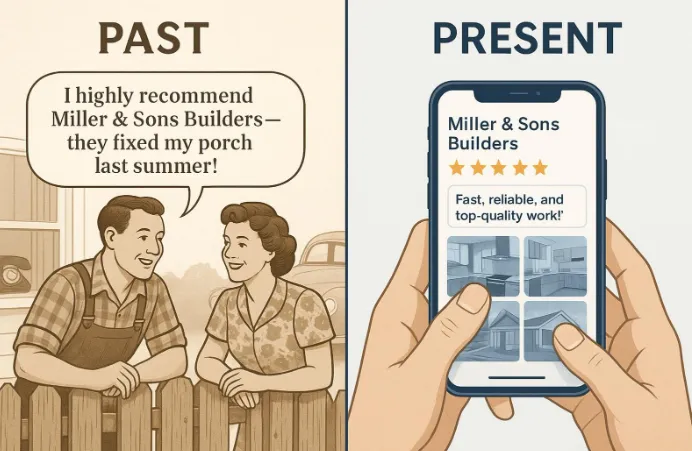
The way people build trust has shifted from face-to-face to online. Where word-of-mouth used to spread over fences and dinner tables, it now moves between screens on social media and review platforms. Handling this shift well calls for a focused approach to construction reputation management, so your online presence accurately reflects the quality of your on-site work.
Without active control, one bad experience can overshadow years of good results, making it harder to grow in the highly competitive 2026 market.
What Is Reputation Management for Construction Firms?
Reputation management in construction is the ongoing process of watching, guiding, and maintaining how your firm is seen by everyone who interacts with it-clients, suppliers, regulators, and the wider public. It brings together proactive marketing-such as showing off completed projects-with reactive steps, such as handling complaints or correcting negative impressions. It is more than “damage control”; it is about clearly building a brand image that sends a signal of reliability and skill.
For a construction firm, this means managing the whole client journey. It starts with the first thing someone finds when they search for you on Google and runs through to the final walkthrough and any follow-up after the job is done. By standardizing these stages of the client experience, firms can turn every interaction into a chance to strengthen their image. When run well, your reputation becomes one of your most valuable invisible assets and a key advantage that is hard for competitors to copy.
How Construction Reputation Differs from Other Industries
Unlike retail or hospitality, where purchases are quick and low-risk, construction reputation grows around long projects and high costs. A bad restaurant meal is an annoyance, but a failed home remodel or a late commercial build can cause major financial damage for the client. Because of this, a single review in construction carries much more “weight” than in many other fields.

Construction reputation is also highly linked to what people see in real life. Your “office” is often a job site where neighbors and passersby judge your firm by how clean it is, how your crew behaves, and what materials are used. This means your reputation is forming both offline and online at the same time, so you need a dual strategy that many other businesses never have to think about.
Key Elements of Online and Offline Reputation
Your online reputation includes your Google Business Profile, industry review sites like Angi or Yelp, and your social media accounts. These platforms act as a showroom that is open all day, every day. Strong reviews here build instant confidence, while missing details or mixed-up information can make your firm seem messy or even untrustworthy.
Offline, your reputation is rooted in your technical skills, safety standards, and how you deal with people. This covers how you treat subcontractors and how you manage permits and inspections. A firm known for paying partners on time and keeping a safe, respectful job site will always find it easier to attract skilled workers and work smoothly with local authorities than one that ignores these basics.
Why Does Reputation Matter for Construction Companies?
Reputation is the main currency in construction. Recent data shows that 75% of consumers “always” or “regularly” read online reviews when looking for local businesses, and 50% trust those reviews as much as recommendations from friends and family. In a field where trust is the biggest barrier to a sale, a strong reputation helps the whole sales process run more smoothly, cutting customer acquisition costs and shortening the time needed to close deals. To effectively manage this digital footprint, many industry leaders turn to specialists like BuiltFor Studio.
Beyond short-term profits, a strong reputation creates a protective “halo effect” that helps the business during slow periods. When a firm is known for quality, it becomes the first pick for higher-value projects, even when its prices are above average. The ability to charge more comes directly from the peace of mind a well-managed reputation gives the client.
Impact on Client Trust and New Business
Trust sits at the base of every construction agreement. Because clients cannot see the finished result before they sign, they depend on the experiences of past customers. Positive reviews and detailed case studies act as social proof, backing up your firm’s skills and reliability. This trust is what allows a client to sign a contract and pay a large deposit with confidence.
If a firm ignores its reputation, it makes it easier for competitors to win its leads. A few unanswered bad reviews or an old, neglected website can raise enough doubt for a prospect to scroll past your listing, no matter how good your work is. On the other hand, an active and positive online presence keeps you in the running for every project in your area.
Influence on Subcontractor and Partner Relationships
Reputation management does not just attract clients; it also draws in the best subcontractors and suppliers. In a field often hit by labor shortages, the most skilled tradespeople want to work with firms that are clear, organized, and dependable. A firm known for poor communication or late payments will struggle to staff jobs with high-quality crews.
Suppliers pay attention too. They are more likely to offer better pricing and priority deliveries to firms they trust. A good reputation in the trade makes your firm a “preferred partner,” which can mean lower material costs and more reliable delivery-both key for hitting schedules and keeping profits healthy.
Effect on Local Community and Regulatory Perception
Construction projects often disturb local communities. A firm that is known for respecting neighbors, keeping sites tidy, and clearly explaining noise or traffic issues will face less pushback from the public. This goodwill can tip the scales when local boards or regulators review permit requests or project plans.
Inspectors and other officials are people too; they are more willing to work smoothly with a firm known for honesty and safety. A “clean” track record in their eyes can make inspections quicker and cut down on red tape, helping you keep projects moving and clients satisfied.
What Factors Can Harm a Construction Firm’s Reputation?
In construction, reputation may take years to build but can fall apart in minutes. One of the most common problems is a “communication gap.” Most client complaints in this field come from poor communication, not from flawed workmanship. When a client feels ignored or is not told about a delay, their frustration can quickly turn into a public negative review, even if the final result is excellent.
Another serious risk is how the crew behaves on-site. Your team represents your company. If staff act rude, unprofessional, or careless with property, it reflects badly on the whole firm. Even small issues-like loud music early in the morning or trash left in a yard-can create a local image of being messy and uncaring that spreads quickly.
Mistakes in Service Delivery and Project Completion
The most obvious threat to your reputation is failing to deliver what you promised: quality work on an agreed schedule. While delays sometimes cannot be avoided, how you handle them matters a lot. Overpromising and then missing deadlines is a fast path to unhappy clients. If a project drags on long past the expected finish date without clear reasons or regular updates, trust will fade.
Unfinished tasks or punch list items that hang around for months after the main work is done also cause tension. Clients want the level of finish they were promised, and leaving them with minor but visible issues makes them feel unimportant. This often leads to the feeling that the contractor “disappeared” after getting paid.
Negative Online Reviews and Unaddressed Feedback
Negative feedback will appear sooner or later, but ignoring it is a choice-and a risky one. Unanswered bad reviews make your business look uncaring or even guilty. These reviews sit online where every potential client can see them, and if they stay unanswered, they become a lasting stain on your name.
Competitive markets can also bring fake reviews or “review bombing.” Without active checks, these false posts can drag your rating down before you even know they exist. A proactive firm keeps an eye on reviews, challenges fake ones, and responds calmly to real issues, showing a clear focus on improving the customer experience.
Inaccurate or Inconsistent Business Information
People judge professionalism by small details. If a potential client finds three different phone numbers for your firm on different sites, or if the hours listed on Google do not match when you are actually open, you look unorganized. Mixed-up Name, Address, and Phone (NAP) details not only confuse people but also hurt your search engine visibility.
Old email addresses or broken links on your social media pages give the impression that no one is paying attention. In a trade where accuracy is key, appearing careless online can make prospects assume you will handle their plans or budget the same way.
Poor Communication and Delayed Responses
By 2026, clients expect quick communication. Ignoring new leads or taking several days to return a call makes people feel unimportant. A reputation for being “hard to reach” spreads fast. A simple rule is to respond to all inquiries within 24 hours; if you do not, you send a clear signal that the client’s time does not matter to you.
Vague price estimates and unclear progress updates also fall into this problem area. If a client gets a loose quote with no clear breakdown, it sets the stage for future conflict. Clear, open communication from the very start is your best protection against disputes that can damage your reputation.
Unprofessional On-Site Conduct
The job site is like a public stage. Rude language, yelling, or generally poor behavior can upset not only the client but also neighbors. Those neighbors are often prime sources of future work, so if they see a crew acting in a disrespectful or unsafe way, they will never call that firm for their own projects.
Safety shortcuts are especially harmful. A firm that appears to ignore safety rules is seen as a risk. Since most clients are careful by nature, any sign of unsafe or unprofessional conduct on-site becomes a major warning sign that can stall growth and scare away new business.
How Online Reviews Shape Construction Firm Success
Online reviews serve as a modern version of a trusted seal of approval, but with far greater reach. They are a strong growth driver: more positive reviews lead to better search rankings, which bring in more of the right clients. Data shows that 88% of consumers would use a business that replies to all of its reviews, compared to 47% for businesses that do not respond. This shows that how you respond often matters as much as the rating itself.
For construction firms, reviews highlight the “little things” that photos cannot show. A review that says a contractor “showed up on time every day” or “left the home cleaner than before” speaks loudly to a nervous homeowner. These stories give your business a human side and offer the emotional comfort people need before starting a big project.
Why Potential Clients Rely on Online Ratings
Clients lean on ratings because they act like a group opinion that marketing alone cannot match. A firm’s website will always claim it is the best, but a 4.8-star Google rating from 100 reviews backs up that claim with proof. In a market where many people can call themselves “contractors,” these ratings work as a key screening tool.
Ratings also help people narrow down their options. Most users only review the top three to five firms in their area. A large number of strong reviews keeps your firm near the top of the local search results, making you more likely to be the first call for anyone looking for construction services nearby.
Managing and Responding to Negative Reviews
When a negative review shows up, treat it as a chance to repair trust. A quick, calm response can turn a bad moment into something positive. A message such as “We’re sorry you had this experience; this is not the standard we aim for” tells future customers that you pay attention and care enough to fix issues.
The next step is to move the discussion to a private channel as soon as you can. Share a direct phone number or email and offer to work through the problem one-on-one. This shows everyone reading the review that your firm takes responsibility and deals with problems like a professional.
Encouraging Satisfied Clients to Share Experiences
Many happy clients never think to write a review unless someone asks them. Actively asking for feedback is key to keeping a strong reputation. You can do this with follow-up emails, “thank you” notes that include a direct link to your Google Business Profile, or small rewards like a discount on future maintenance visits.
The main goal is to make leaving a review quick and easy. A QR code on the final invoice or a text message with a one-click review link greatly raises the odds that a client will share their experience. A steady flow of new positive reviews helps push older negative ones further down the list.
Using Positive Reviews for Growth
Do not leave your positive reviews hidden on third-party sites. Turn them into active marketing tools. Place your best testimonials on your homepage, include them in your proposals, and share them on your social media accounts. A “Review of the Week” post on Instagram or Facebook can reach many more people than the review platform alone.
You can also pair strong reviews with before-and-after photos from the project mentioned. This creates a clear story of success that connects with future clients. When people see a beautiful finished job next to a sincere review, they are far more likely to trust your firm with their own project.
Effective Strategies for Construction Reputation Management
The best way to manage your reputation is to build it into your everyday work. One helpful step is “experience mapping”-listing every stage of the client journey and spotting where things can go very well or where issues might appear. By standardizing this journey, you turn each project into a chance to end with a happy fan, not just a finished building.
Consistency is the mark of a reliable firm. This covers everything from the level of your workmanship to how clean you leave your job sites. When you deliver a steady, high-quality experience, you build a strong referral engine that supports long-term growth without huge ad spending. Reputation management then becomes part of normal operations, not a separate job.
Active Monitoring of Digital Platforms
You cannot manage what you never see. Active monitoring means checking review sites, social media, and industry forums regularly to see what people say about your firm. Setting up Google Alerts for your business name gives you quick notifications when your company is mentioned online, so you can respond to both praise and criticism right away.
Monitoring also helps you spot potential “storms” early. If you see a drop in ratings or a repeated complaint about a certain crew or service, you can step in, find the cause, and fix it before the problem grows. This early action separates leading firms from those that are always scrambling to repair damage.
Maintaining Business Information Accuracy
Keeping accurate business listings is a basic but important part of reputation management. Your Name, Address, and Phone number should match exactly across Google, Yelp, Facebook, and your website. This consistency builds trust with both potential clients and search engines, which reward clear, verified details with higher search placement.
Regular checks of your listings help keep your hours correct and your contact options working. If you move offices or change your main phone line, updating this information across the web should be at the top of your to-do list. A firm that is easy to find and easy to reach is one that more people will choose to hire.
Engaging with Clients Promptly Online
Online engagement works both ways. When someone asks a question on your Facebook page or leaves a review, they give you a chance to connect. Responding quickly-ideally within a day-shows that your firm is responsive and respects its customers. Even a short “thank you” under a positive comment can improve how people see your brand.
Apply this same attitude to comments on your social media posts. Liking and replying to comments on job photos shows there are real people behind the logo. This personal touch builds comfort and makes you feel like the “local expert” people are happy to call.
Delivering Consistent Quality and Jobsite Cleanliness
The strongest base for a good reputation is consistent quality. That means following best practices, using solid materials, and avoiding shortcuts. But for many clients, “quality” also includes what the job site looks like each day. A cluttered, dirty site signals a lack of respect and can trigger bad reviews even when the structural work is solid.
Setting a daily clean-up routine is a simple, powerful habit. When clients return each day to see a neat, organized site, they feel respected and more confident in your work. This kind of care is exactly what people mention in five-star reviews.
Professional Handling of Complaints and Conflicts
Conflicts will happen in construction, but they do not have to damage your name. The key is to handle complaints calmly and professionally. Never argue in public with a client, even when they are wrong. Instead, recognize their frustration, suggest a solution, and move the talk to a private channel.
By being open about challenges or delays and owning your mistakes, you can actually improve your reputation. Most clients know problems can arise; they judge you by how you handle those problems. A firm that stands by its work and settles disputes fairly earns more respect than one that always looks for excuses.
How Technology Supports Construction Reputation Management
Modern tools make reputation management much easier for busy contractors. Integrated software can collect reviews automatically, track feedback across many sites, and alert you as soon as a new review appears. This keeps you in control of your online image without turning it into a full-time job for your staff.
Technology also helps close the communication gap that so often harms reputations. Project management platforms support real-time updates, photo sharing, and clear schedules, keeping clients informed every step of the way. By using these tools to improve the client experience, you build a stronger, more positive reputation almost as a side effect.
Reputation Management Software for Construction Businesses
There are now tools built with construction firms in mind, such as links between project management software like JobTread and review tools like NiceJob. These systems help firms automate review requests, gather more feedback, and grow referrals by asking for reviews when clients are happiest.
Platforms like ServiceTitan offer all-in-one systems that handle scheduling and review requests in one place. With these tools, firms can avoid forgetting any client and turn each successful project into public praise. This steady, organized method works far better than asking for reviews only when someone remembers.
Benefits of Automated Review Monitoring
Automation removes guesswork from tracking your reputation. Automated tools scan the internet for mentions of your firm and pull reviews from sites like Google, Yelp, and Facebook into one dashboard. This saves time and helps you respond faster.
Many tools also include “sentiment analysis,” which shows the general tone of your feedback. This overview helps you see whether your reputation is improving or if new issues are starting to appear. In a fast-moving construction market, this real-time view is extremely useful for keeping a strong public image.
Integrating Reputation Insights into Business Decisions
Feedback from clients should shape how you run your business. If reviews often praise a certain project manager or complain about a specific subcontractor, you can use that information to make smarter choices. Reputation data works like a quality control system for the whole company.
By spotting and removing the causes of repeated negative comments, you keep improving your services and internal processes. This steady improvement helps your firm raise its standards and offer a reliable, high-quality experience that turns into long-term success and regular referrals.
Avoiding Common Mistakes When Building Your Reputation
One major mistake firms make is ignoring the impact of employee behavior. Your crew is the public face of your company, and what they do on-site can either build or damage your reputation in a single day. Training workers on customer service and professionalism is just as important as training them on safety and technical skills.
Another common error is focusing only on marketing while overlooking the real customer experience. You can have an impressive website, but if your communication is weak and your job sites are messy, your reputation will catch up with you. Strong firms know that reputation starts inside the company-with how you treat each client and each project.
Ignoring Customer Reviews or Negative Comments
Ignoring feedback slowly but surely harms reputations. In 2026, many people see silence as either an admission of guilt or a lack of care. Even if a review is unfair, a calm, professional reply and an offer to discuss the problem privately show future clients that you act reasonably and take responsibility.
Skipping replies to positive reviews is also a missed chance. When someone praises your work, a quick “thank you” strengthens their good feelings and makes them more likely to recommend you. Regular engagement is what turns one-time clients into long-term supporters.
Inconsistency in Online Presence and Branding
An uneven online presence makes a firm look less professional. If your Facebook page seems unrelated to your website, people get confused. Keeping your logo, colors, and tone of voice similar across all channels builds a sense of stability that reassures clients.
This also covers content quality. Posting sharp, well-lit photos of your work on one platform and blurry, low-effort photos on another sends mixed signals. Every post should reflect the standard of quality you bring to your projects.
Underestimating Employee and Subcontractor Behavior
Some contractors think that if the work itself is good, crew behavior does not matter. This is a mistake. Especially in residential work, you are entering someone’s private space. Rude behavior, loud music, or crude language can make clients feel uncomfortable or unsafe, which can ruin your reputation in that area.
Subcontractors must follow your standards too. Clients view them as part of your team, so their mistakes or bad behavior reflect on you. Clear rules, written expectations, and regular training help make sure everyone on your sites supports your reputation instead of hurting it.
Boosting Marketability and Long-Term Success with a Positive Brand Image
A well-managed reputation does more than make people feel good; it drives sales and marketing results. Firms with a positive brand image find that their ads, signs, and outreach work better because social proof is already in place. When people see your name, they already have a basic level of trust from what they have read or heard online.
Over the long run, a strong reputation creates a more stable business. It acts like a protective barrier around your firm, shielding you from competitors who try to win work by cutting prices. People are willing to pay more for a “safe bet,” and in construction, a strong reputation is the closest thing to a guarantee a client can get.
How Reputation Affects Project Bidding and Closing Rates
During competitive bidding, reputation often breaks the tie. If two firms submit similar prices and show similar technical skills, the client almost always chooses the one with the better reputation. A track record of happy customers and successful projects gives decision-makers the comfort they need to award the job.
Firms with high ratings and detailed testimonials usually see better close rates on their proposals. Because clients have already checked reviews and done their “homework,” the sales meeting is less about proving you are qualified and more about focusing on project details. This shift makes it easier for you to win more work with less pressure.
Reputation’s Role in Client Retention and Referrals
A positive reputation supports a referral-driven business. Clients who enjoy an outstanding experience often become supporters who talk about your services with real enthusiasm. This kind of word-of-mouth is both highly effective and low-cost.
Reputation also matters for keeping existing clients, especially for firms that offer maintenance plans or multi-phase work. When someone knows you keep your promises, they are far less likely to look at other contractors for their next project. This repeat business is the “holy grail” for construction firms, giving steady, predictable revenue over many years.
Looking ahead, the importance of reputation management will continue to grow as digital transparency becomes normal everywhere. Firms that invest in their brand today are not just winning the next project; they are protecting their business from future market changes and new technologies. By sharing project highlights and useful insights on social media, you can move beyond the image of a basic contractor and become a respected local leader. In the end, a reputation built on honesty, clear communication, and consistent quality is the most durable asset a construction firm can have, helping your business remain as solid and lasting as the buildings you create.

Emma Brooke is a passionate language enthusiast and expert at Grammar Apex, dedicated to helping writers, students, and professionals refine their grammar and writing skills. With a keen eye for detail and a love for linguistic precision, Emma provides insightful tips, clear explanations, and practical guidance to make complex grammar rules easy to understand.